

Riyadh, Saudi Arabia – September 8, 2026: Nearly two-thirds of businesses in Saudi Arabia view artificial intelligence and advanced analytics as highly relevant or transformational to advancing trade, according to Standard Chartered’s latest Future of Trade report, highlighting the Kingdom’s growing focus on technology-driven trade and international competitiveness.
The report, titled Navigating an Age of Structural Uncertainty, surveyed 2,100 senior corporate decision-makers across 27 markets and found that Saudi businesses place greater importance on all five technology trends assessed compared with the global average.
Cloud infrastructure and data integration emerged as the leading priority, with 76% of Saudi respondents identifying it as highly relevant or transformational to advancing trade, compared with 70% globally. Artificial intelligence and advanced analytics followed at 64%, while 63% highlighted automation and robotics, significantly higher than the global average of 52%.
Meanwhile, 57% of Saudi businesses pointed to digital trade platforms and ecosystems, while 55% identified blockchain and digital assets as important technologies shaping the future of trade.
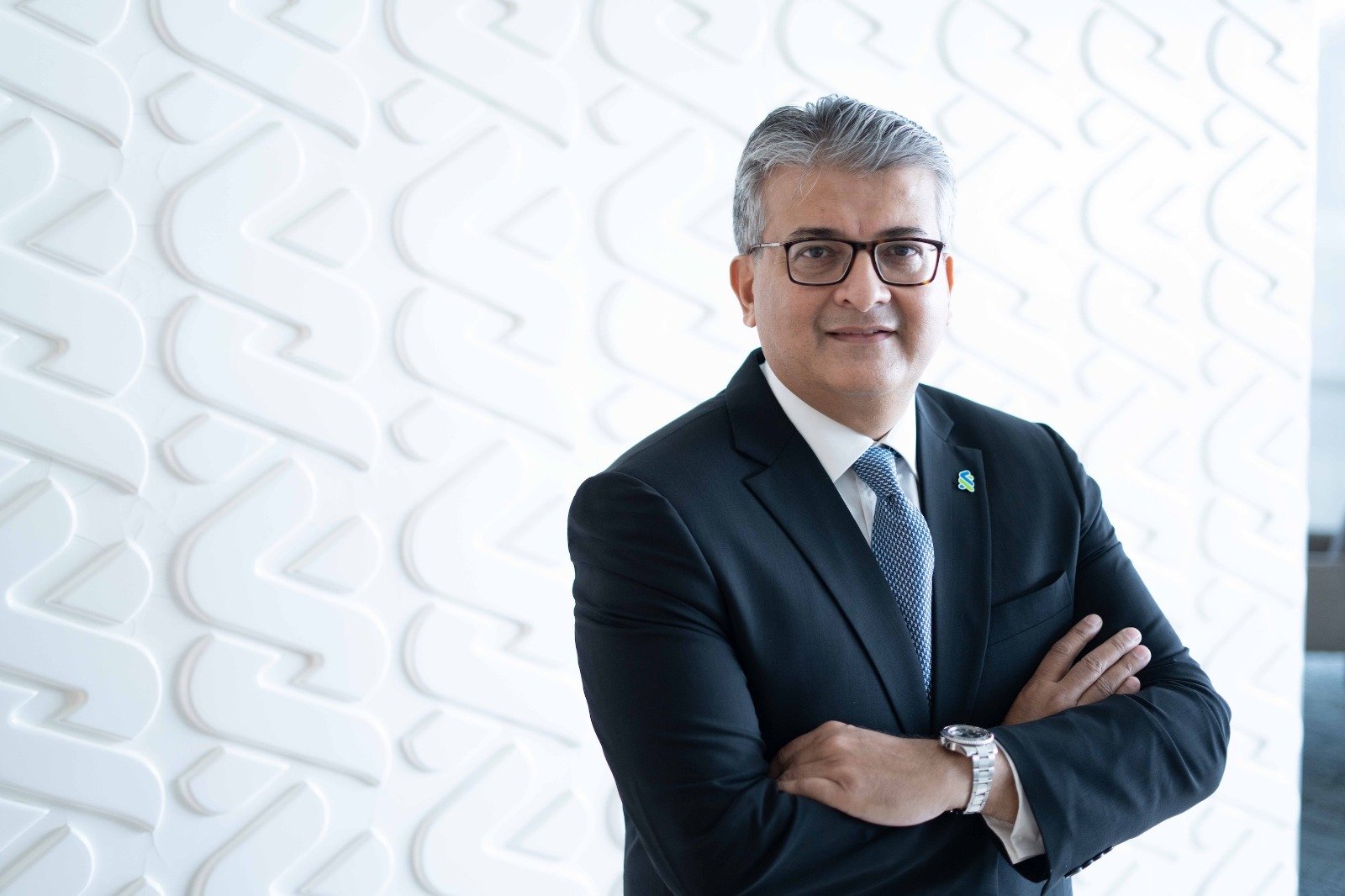
Syed Khurrum Zaeem, Managing Director and Head of Trade and Transactional Banking for the Middle East, Pakistan and Africa at Standard Chartered, said Saudi businesses are increasingly placing technology at the centre of their trade strategies.
“Saudi businesses are placing technology at the centre of their trade strategies. The strong emphasis on artificial intelligence, cloud infrastructure and automation reflects a clear focus on improving decision-making, increasing efficiency and building the capabilities required to compete across international markets,” he said.
“As trade becomes increasingly digital, these investments will help businesses respond faster and capture opportunities across global growth corridors.”
The findings also point to a strong foundation of existing digital capabilities across Saudi businesses. According to the report, 90% of respondents have reached early-stage or mature implementation of cybersecurity and risk management, compared with 84% globally.
Automated payments and collections have reached early-stage or mature implementation among 77% of Saudi businesses, while 70% reported similar progress in real-time cash visibility.
These investments are already delivering measurable benefits. Nearly half of respondents, or 47%, identified clear benefits from digital supply chain finance platforms, compared with 43% globally. Meanwhile, 44% reported benefits from real-time visibility of shipments and logistics, exceeding the global figure of 39%.
Looking ahead, Saudi businesses remain focused on strengthening the digital infrastructure supporting trade. Over the next three to five years, 57% plan to invest in digital supply chain finance platforms, while 50% expect to increase investment in both real-time cash visibility and cybersecurity and risk management.
The shift towards digital trade is also expected to deliver significant cost efficiencies. According to the findings, 93% of Saudi businesses anticipate cost reductions of at least 10% in processing trade documents and data. A further 89% expect similar savings in meeting compliance and regulatory requirements and coordinating shipments and logistics.
Digital transformation is also expected to improve resilience. Some 86% of Saudi respondents said digital tools enable their organisations to respond more quickly to supply-chain disruption, compared with 83% globally.
The Saudi findings form part of a broader global movement towards more digitally enabled trade. Standard Chartered’s report includes an illustrative Digital Acceleration scenario, which estimates that faster trade digitalisation could increase global trade by 6.9%, equivalent to US$2.8 trillion, by 2031 compared with Oxford Economics’ baseline forecast.
Together, the findings highlight Saudi Arabia’s growing commitment to adopting emerging technologies while continuing to strengthen the financial, operational and digital capabilities needed to support the next generation of global trade.