
Opella has launched its “Air and Allergy Care with Your Pharmacist” programme in Saudi Arabia, an educational initiative designed to help pharmacists support people in understanding and managing allergy symptoms that may be aggravated by air pollution.
The programme is expected to train approximately 800 pharmacists in its first phase and reach around 20,000 people across the Kingdom by the end of 2026. It will provide pharmacists with scientific knowledge, air-quality information and practical tools to encourage informed allergy self-care.
The initiative forms part of Opella’s wider commitment to promoting self-care, health literacy and professional education. It aims to strengthen pharmacists’ ability to raise awareness of allergies and guide conversations about managing symptoms within their communities.
Strengthening the Role of Community Pharmacists
Community pharmacists are among the most accessible healthcare professionals in Saudi Arabia and play an important role in everyday health decisions. Their position allows them to support people managing common conditions, including allergies that can be triggered or worsened by environmental factors such as air pollution.
Research published in 2025, based on a meta-analysis of 64 studies involving more than 12.4 million participants, reported a 16% prevalence of allergic rhinitis among populations exposed to air pollution. The analysis also found positive associations between allergic rhinitis and pollutants including nitrogen dioxide, PM10, PM2.5, sulphur dioxide, ozone and carbon monoxide.
An Opella market study also found that 23% of allergy sufferers in Saudi Arabia start medication because of pollution.
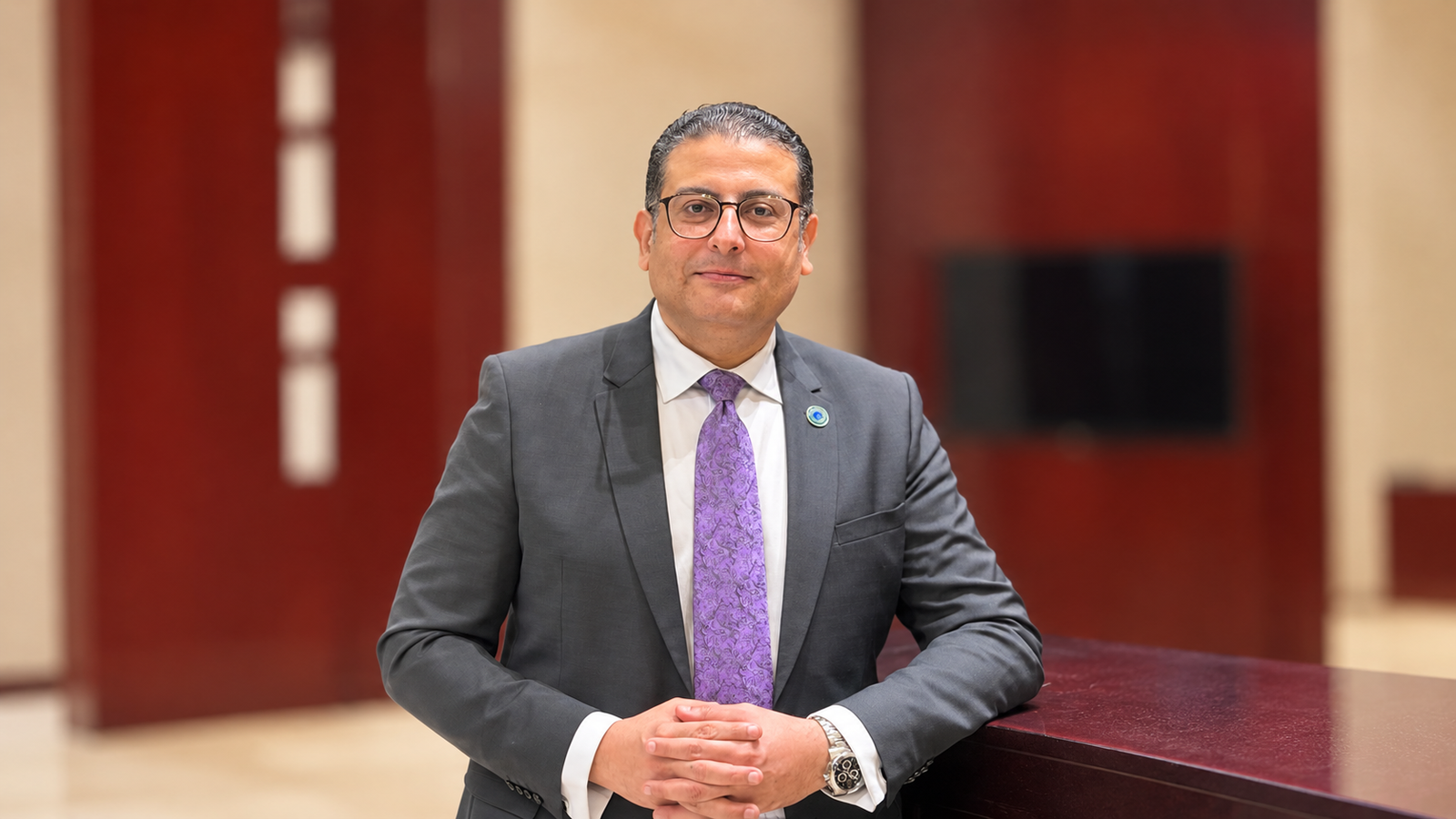
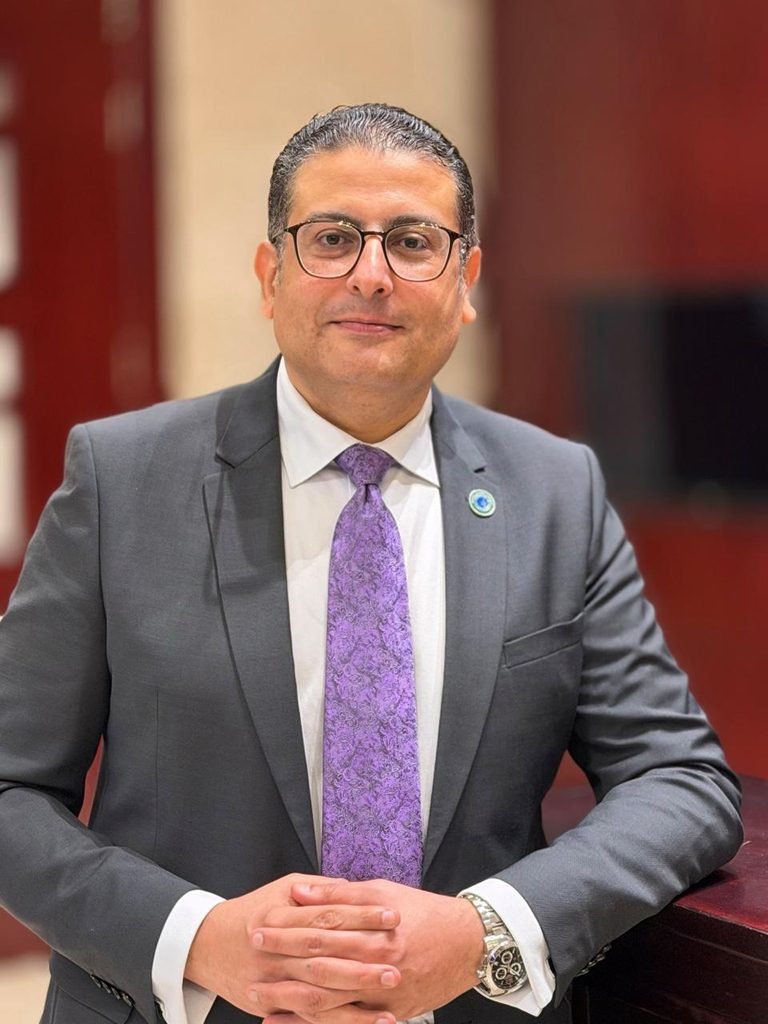
Hossam Abo Ouf, Country Head of Opella Saudi Arabia and the UAE, said pharmacists play an important role in everyday healthcare decisions because of their accessibility within local communities.
He added that the programme aims to put scientific knowledge, environmental information and practical tools directly into pharmacists’ hands, helping them support informed conversations with customers and promote responsible self-care.
Training, Tools and Air Quality Information
The four-hour training programme will cover air pollution and allergic rhinitis, symptom recognition, the pharmacist’s role in allergy management and supporting clinical evidence.
Participating pharmacists will receive a certificate, pharmacy badge and toolkit to help them communicate with consumers at the pharmacy counter.
The initiative is also expected to introduce Air Quality Index (AQI) screens in pharmacies. These screens will help pharmacists explain how changes in air quality may affect allergy symptoms and support informed discussions. They are intended for awareness and guidance rather than diagnosis.
Through professional education, scientific evidence and environmental awareness, Opella aims to help pharmacists play a stronger role in allergy self-care and make information about pollution-related symptoms more accessible to the public.