
The Timeless Gateway to Arabia
Nestled along the shimmering coast of the Red Sea, the historic city of Jeddah stands as a timeless gateway to Arabia. For centuries, it has been the beating heart of trade, pilgrimage, culture, and transformation in the western region of Saudi Arabia. With its soulful blend of the ancient and the modern, Jeddah tells a story that transcends time, offering glimpses into a rich past while boldly embracing the future.
As we stroll through its storied alleys, listen to the whispers of old merchant houses, and gaze up at futuristic skyscrapers, we come to understand why Jeddah is not just a city—it’s a living, breathing mosaic of civilisations, ideas, and dreams.
An Ancient Port with a Sacred Purpose
Jeddah’s origin stretches back over 2,500 years, but it was in the 7th century CE that it truly found its divine purpose. In647 CE, under the rule of Caliph Uthman ibn Affan, Jeddah was designated as the official port for Muslim pilgrimstraveling to the holy city of Makkah. From that moment, it became a vital stop on the Hajj and Umrah pilgrimage routes, welcoming millions of faithfulsouls each year.
As pilgrims came from across Africa, Asia, and Europe, they brought with them languages, cuisines, music, textiles, and traditions. Jeddah became a melting pot long before globalisation became a buzzword. The city’s identity grew more cosmopolitan with each
passing year, shaped by the diversity of its visitors and settlers.
Al-Balad: The Soul of Old Jeddah
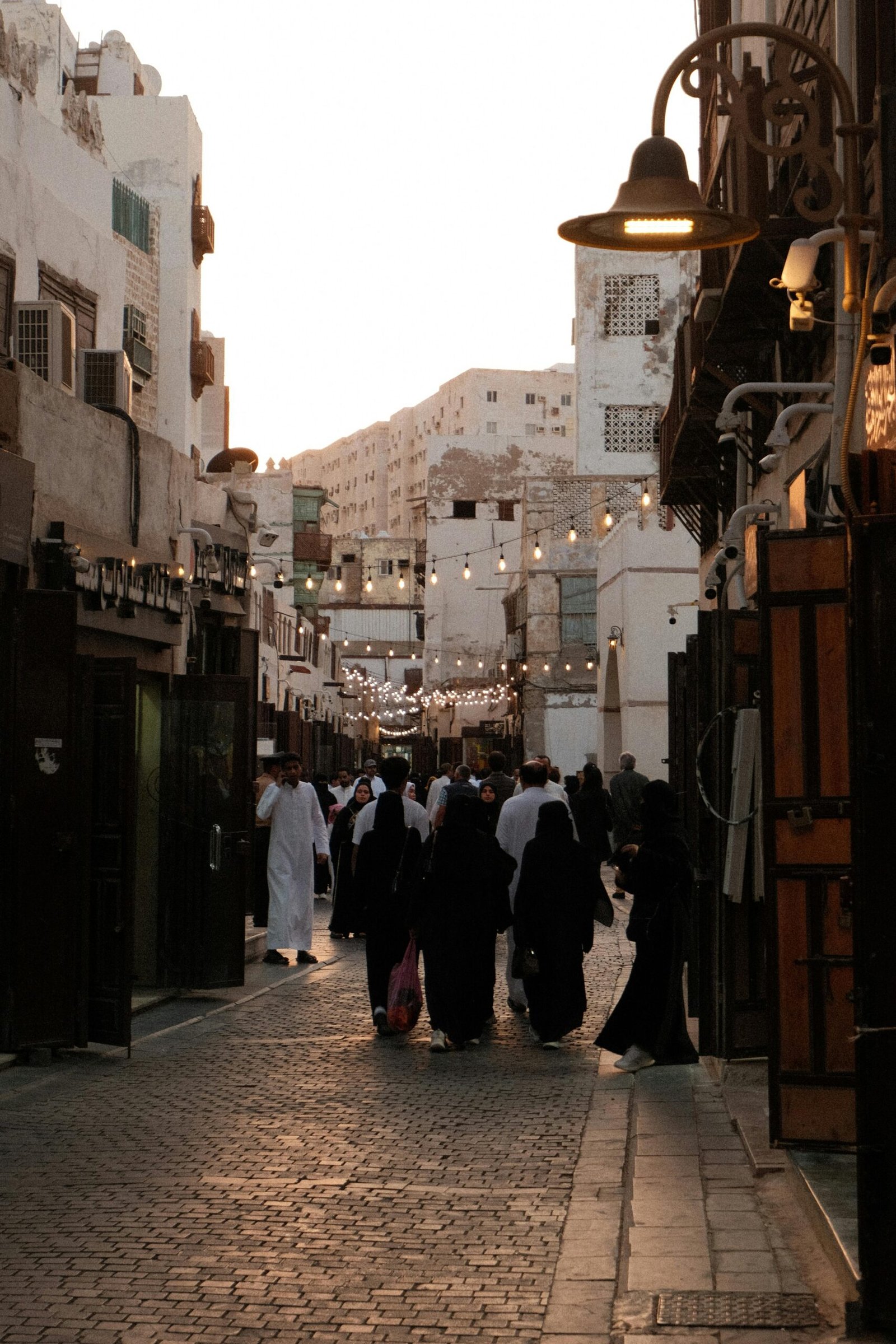
At the heart of Jeddah lies Al-Balad, the historic district that feels like stepping into a bygone world.
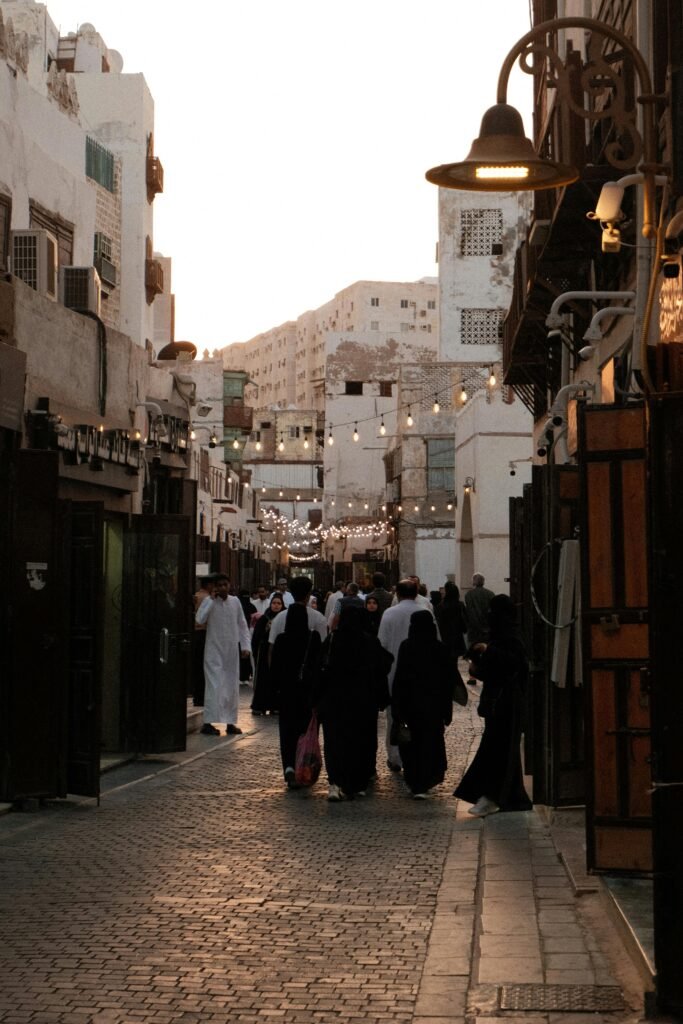
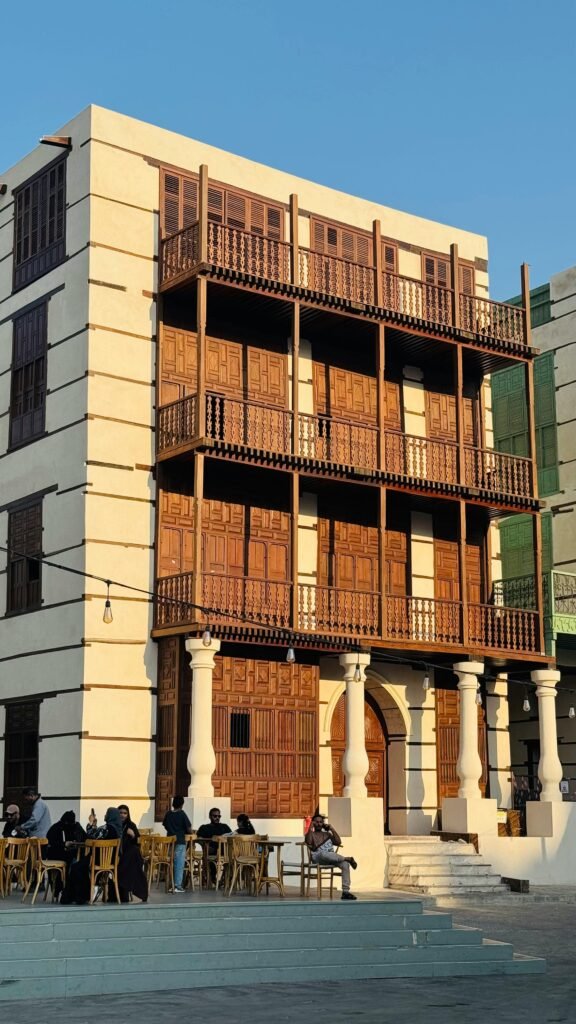
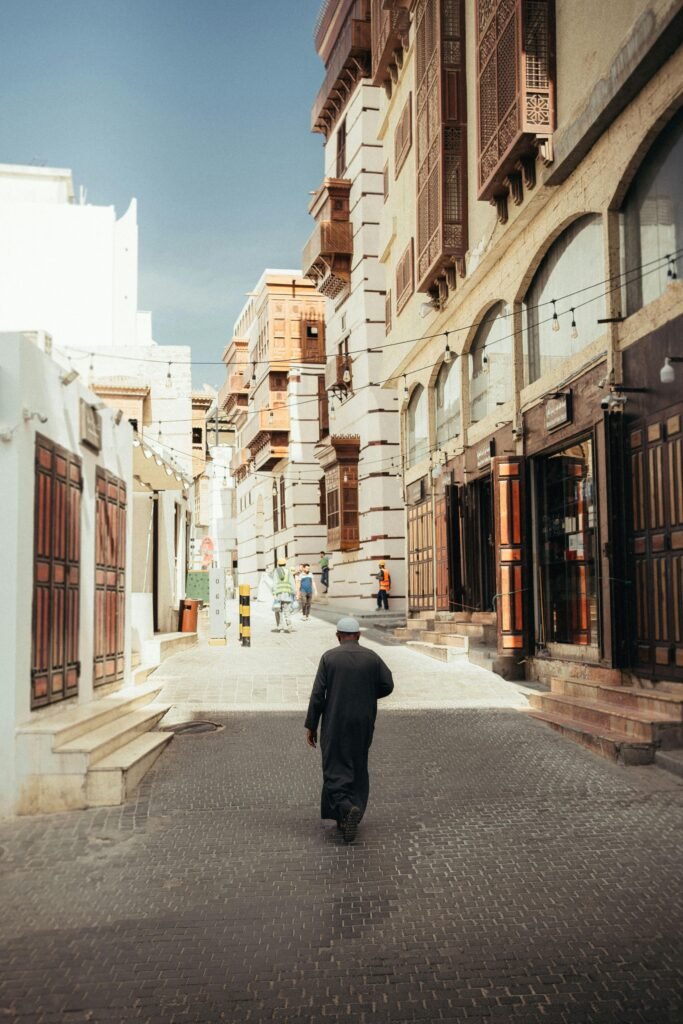
Declared a UNESCO World Heritage Site in 2014, Al-Balad is a living museum—a labyrinth of narrow alleyways flanked by ancient coral-stone houses with intricately carved wooden balconies, known as rawasheen.
Some of these homes date back more than 500 years and belonged to wealthy merchants who profited from the spice trade, Indian textiles, and African ivory.
The Nassif House, once home to one of Jeddah’s most prominent families and a temporary residence of King Abdulaziz, the founder of modern Saudi Arabia, is now a museum that welcomes visitors eager to explore the city’s royal and cultural legacy.
Walking through Al-Balad at night, when the scent of oud fills the air and traditional lanterns flicker, is an experience of pure enchantment.
The call to prayer echoes from nearby mosques, shopkeepers invite you in for sweet tea and dates, and history seems to whisper from every corner.
The Red Sea and Jeddah’s Maritime Legacy
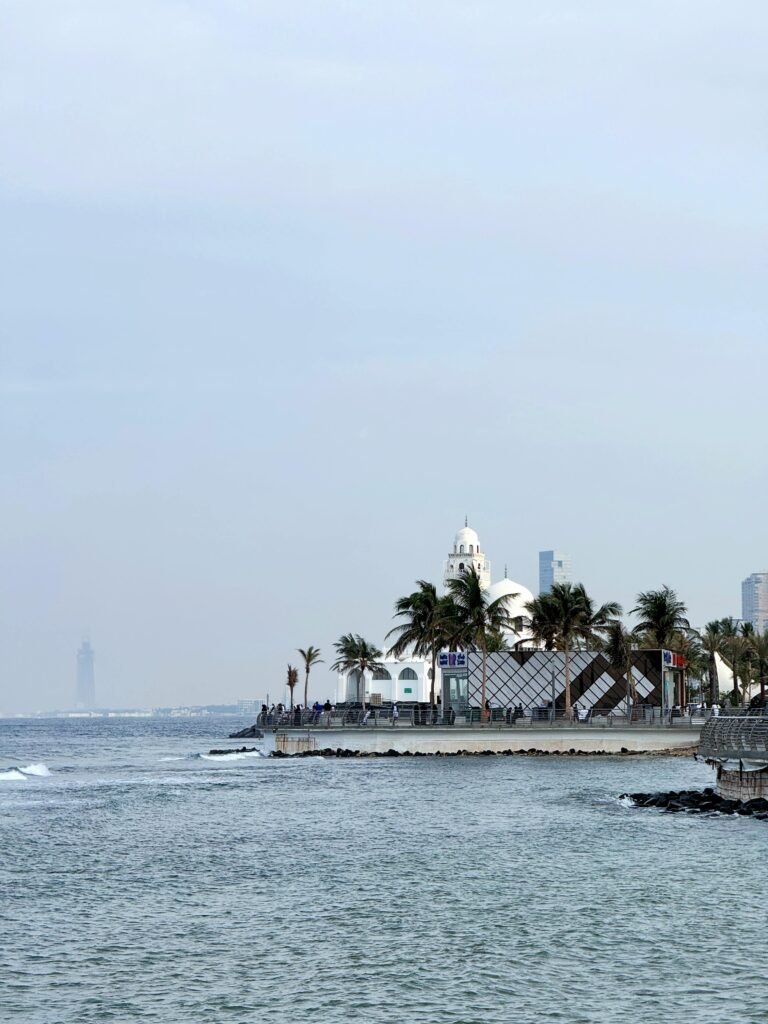
For centuries, Jeddah thrived as a commercial port. Its strategic position on the Red Sea made it an essential link in trade networks between Africa, India, and the Arabian Peninsula. Sailors and merchants would dock here, bringing exotic goods, spices, and stories from distant lands.
Even today, the city’s bond with the sea remains unbroken. The Jeddah Islamic Port, one of the busiest in the region, continues the legacy of commerce. Meanwhile, the coastline offers a different kind of treasure— pristine beaches and coral reefs teeming with marine life.
Diving enthusiasts from around the world flock to Jeddah to explore its underwater wonders, including shipwrecks and unspoiled reef systems. The Red Sea has also shaped the city’s culinary culture. Jeddah is known for its seafood dishes, such as sayadiyah (spiced fish and rice) and grilled shrimp, often served with tangy tamarind sauces and fragrant rice.
Why Jeddah Captivates the Heart
There’s a saying in Saudi Arabia: “Jeddah ghair”—“Jeddah is different.” And it truly is. It’s different in its attitude, its openness, its aesthetic, and its rhythm. Jeddah doesn’t rush. It welcomes you slowly, like the tide lapping at the shore. But once it does, it captures your soul.
Perhaps it’s the Red Sea breeze or the scent of oud in the air. Maybe it’s the soulful echo of the adhan at sunset or the laughter of families enjoying grilled corn on the Corniche. Or maybe it’s the knowledge that every alley in Al-Balad, every coral wall, every whispered prayer, and every shared meal tells a story centuries in the making.
Jeddah is not just a place on the map. It is a portal to the heart of Arabia, a city where history and hope walk hand in hand. Whether you come as a pilgrim, a traveller, an artist, or an entrepreneur, Jeddah doesn’t just welcome you—it stays with you, long after you’ve gone.
Jeddah is a city of contrasts, yet it is also a city of continuity. In a world constantly changing, it reminds us of the beauty of roots, tradition, and connection. And in its embrace of the future, it shows us that evolution need not come at the cost of identity. Truly, Jeddah is the jewel of the Red Sea and the heartbeat of the Arabian Peninsula.