
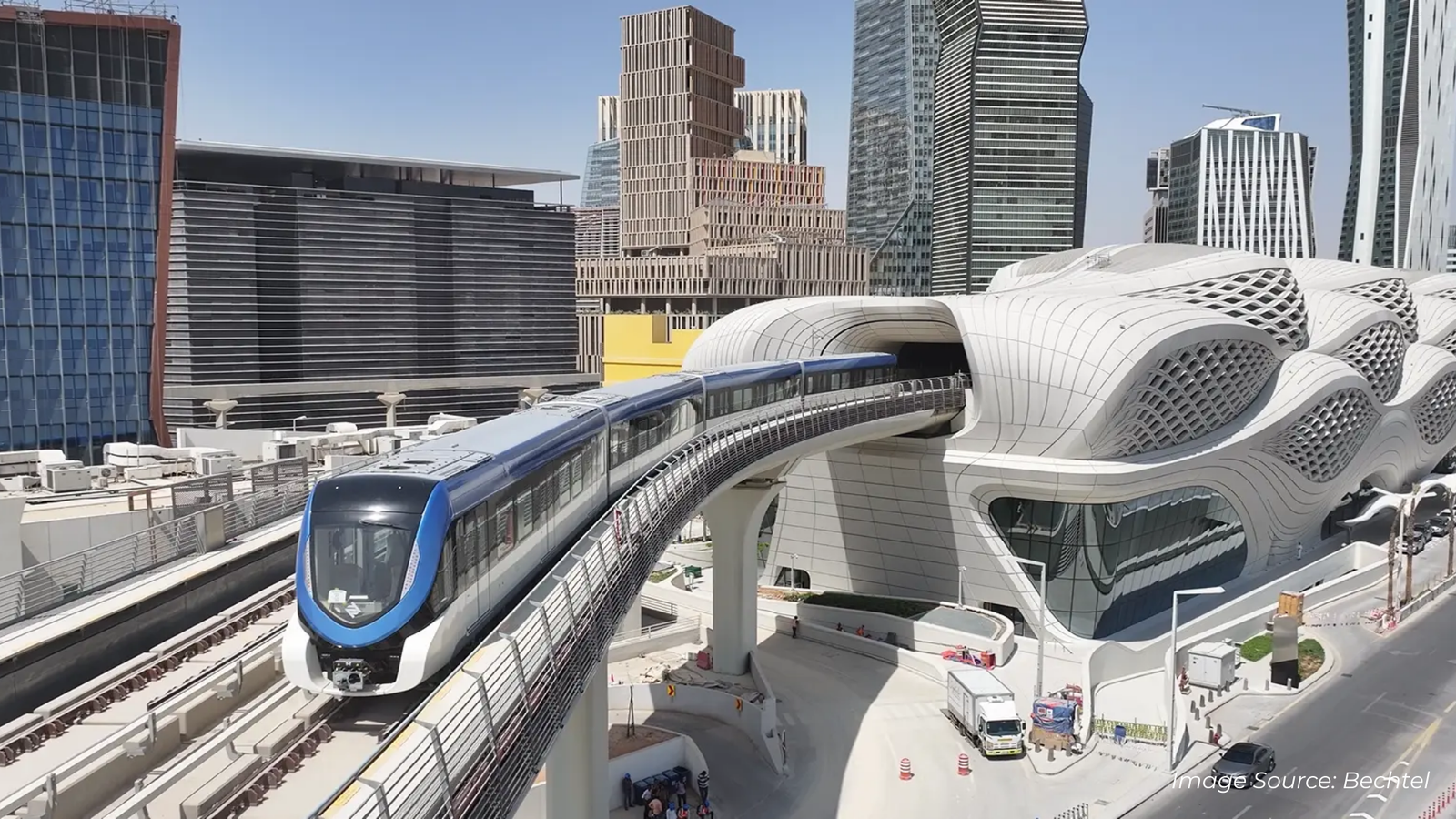
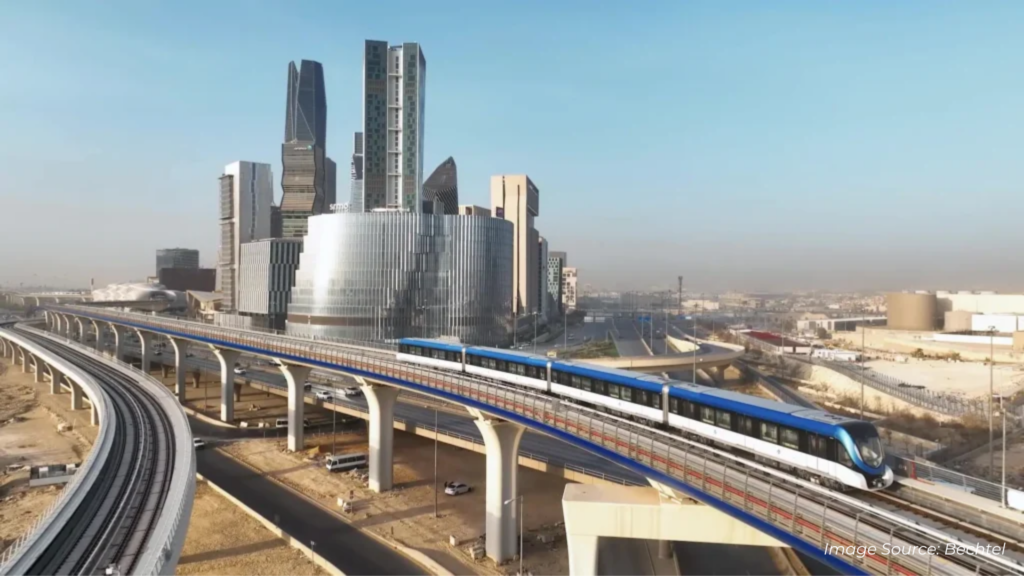
Riyadh’s long-awaited metro network is beginning to transform the way people move around the Saudi capital. The massive public transport project, one of the largest metro systems ever built in a single phase, is designed to reshape urban mobility and reduce traffic congestion in the rapidly growing city.
The Riyadh Metro officially started operations in late 2024, with services gradually expanding across the network through early 2025. The system now includes six lines covering about 176 kilometres and 85 stations, connecting key districts, residential areas, business centres, and the airport.
Built as part of the King Abdulaziz Project for Riyadh Public Transport, the metro aims to offer a modern alternative to private car travel. The network is fully automated and driverless, making it one of the most advanced metro systems in the world.
The project has been developed over more than a decade. Construction began in 2014 and involved multiple international engineering and construction companies working simultaneously across different parts of the city. The final cost of the project is estimated at around $22.5 billion, highlighting its scale and ambition.
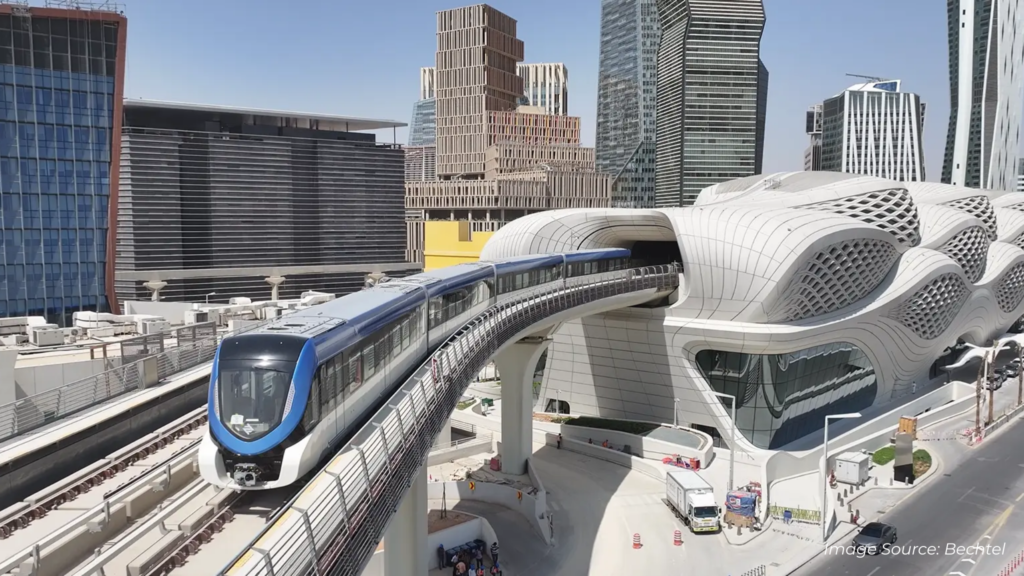
At full capacity, the metro is expected to carry up to 3.6 million passengers per day, providing a faster and more efficient way to travel across Riyadh. Officials say the system will help reduce traffic congestion, lower carbon emissions, and improve the overall quality of life for residents.
The metro network also connects major landmarks and economic hubs, including the King Abdullah Financial District, universities, residential neighbourhoods, and King Khalid International Airport. This connectivity is expected to support the city’s continued growth and development.
Beyond transportation, the project is closely linked to Saudi Arabia’s Vision 2030 goals, which focus on modern infrastructure, sustainable cities, and improved public services.
As more residents begin using the metro in their daily routines, Riyadh is gradually entering a new phase of urban mobility, one that could redefine how the city moves for decades to come.