

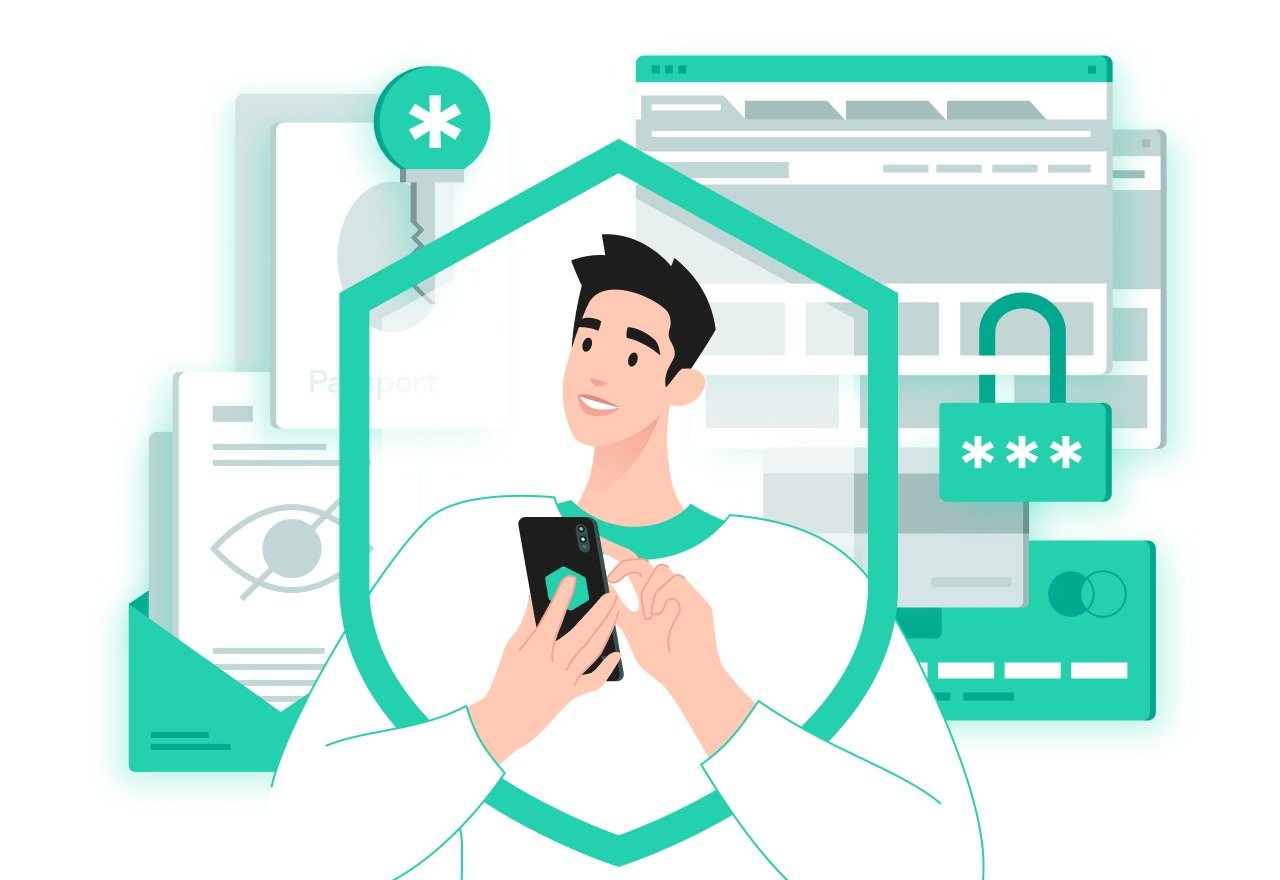
A global survey of 7,200 people found that 52% of Gen Z respondents had experienced attacks involving their devices, online accounts or personal data, despite their high digital confidence.
Gen Z spends more time online than any other generation, but new research from Kaspersky suggests that its cybersecurity habits may not be keeping pace with its digital lives.
According to a study conducted by Kaspersky’s internal market research centre, 57% of Gen Z respondents spend more time online than offline. Smartphones are central to their internet use, with 67% identifying them as their main device for regular online activity.
However, this high level of connectivity does not necessarily translate into effective digital protection. The findings reveal gaps in security practices, including limited use of mobile antivirus software and less frequent password changes.
Confidence Online Does Not Always Mean Security
The survey found that 59% of Gen Z respondents feel confident navigating the digital environment. Yet only 28% believe their digital skills are advanced.
This gap highlights a potential challenge for younger internet users. Familiarity with apps, social media, gaming platforms and online services does not automatically mean users can recognise scams or manage cybersecurity risks effectively.
Only 27% of Gen Z respondents reported using antivirus software on mobile devices, a lower proportion than among other generations. They were also less likely to change their passwords regularly.
The consequences are already evident. More than half of respondents, or 52%, said they had experienced attacks involving their devices, online accounts or data. Among them, 17% reported having a social media account hacked, while 12% had lost access to a gaming account.
Smartphones Hold Valuable Personal Data
For Gen Z, smartphones are more than communication devices. They also store personal information that users consider highly valuable.
The research found that 38% of respondents considered photos and personal documents critically important, respectively. Gen Z respondents were more likely than other generations to place particular importance on personal documents stored on their devices. Another 30% identified passwords and login credentials as critical information.
Despite the value of these files and credentials, regular data backups remain uncommon. Only 28% of Gen Z respondents said they regularly back up important information from their smartphones.
A compromised device can expose far more than the information stored locally. Attackers may gain access to personal photographs, identity documents, email accounts, social media profiles, financial services and other connected accounts.
Kaspersky Promotes Everyday Cybersecurity Habits
To help younger users recognise digital threats, Kaspersky has launched Case 404, an interactive online cyber-detective game. The experience features fictional cases inspired by real-world threats and teaches players how to identify scams, phishing attempts and account takeover tactics commonly encountered in gaming.
The company also recommends making cybersecurity part of everyday digital routines rather than addressing it only after an incident occurs.
Kaspersky Premium is designed to help protect devices against malware, phishing and other online threats, while Kaspersky Password Manager can help users create and securely store strong, unique passwords for different accounts.
Using separate passwords reduces the risk of one compromised credential exposing multiple accounts. The company also emphasises the importance of protecting mobile devices, given their central role in Gen Z’s online activity.
Familiarity Should Not Be Confused with Security Expertise
Irina Ermilova, Vice President for Consumer Product Management at Kaspersky, said growing up with digital services can make online platforms feel intuitive without necessarily giving users the skills needed to identify threats.
She noted that cybersecurity tools and habits should become as natural a part of daily life as messaging, gaming and social media.
The findings underline the importance of combining digital confidence with practical security measures, including stronger passwords, mobile protection and regular data backups.
About the Research
The study was conducted by Kaspersky’s market research centre in 2026 and surveyed 7,200 respondents across 18 countries: Brazil, China, Colombia, Egypt, France, Germany, India, Indonesia, Italy, Malaysia, Mexico, Russia, Saudi Arabia, Spain, South Africa, Thailand, Turkey and Vietnam.
Its findings highlight a growing challenge for a generation that spends much of its life online: ensuring that digital habits are matched by effective protection against cyberthreats.