
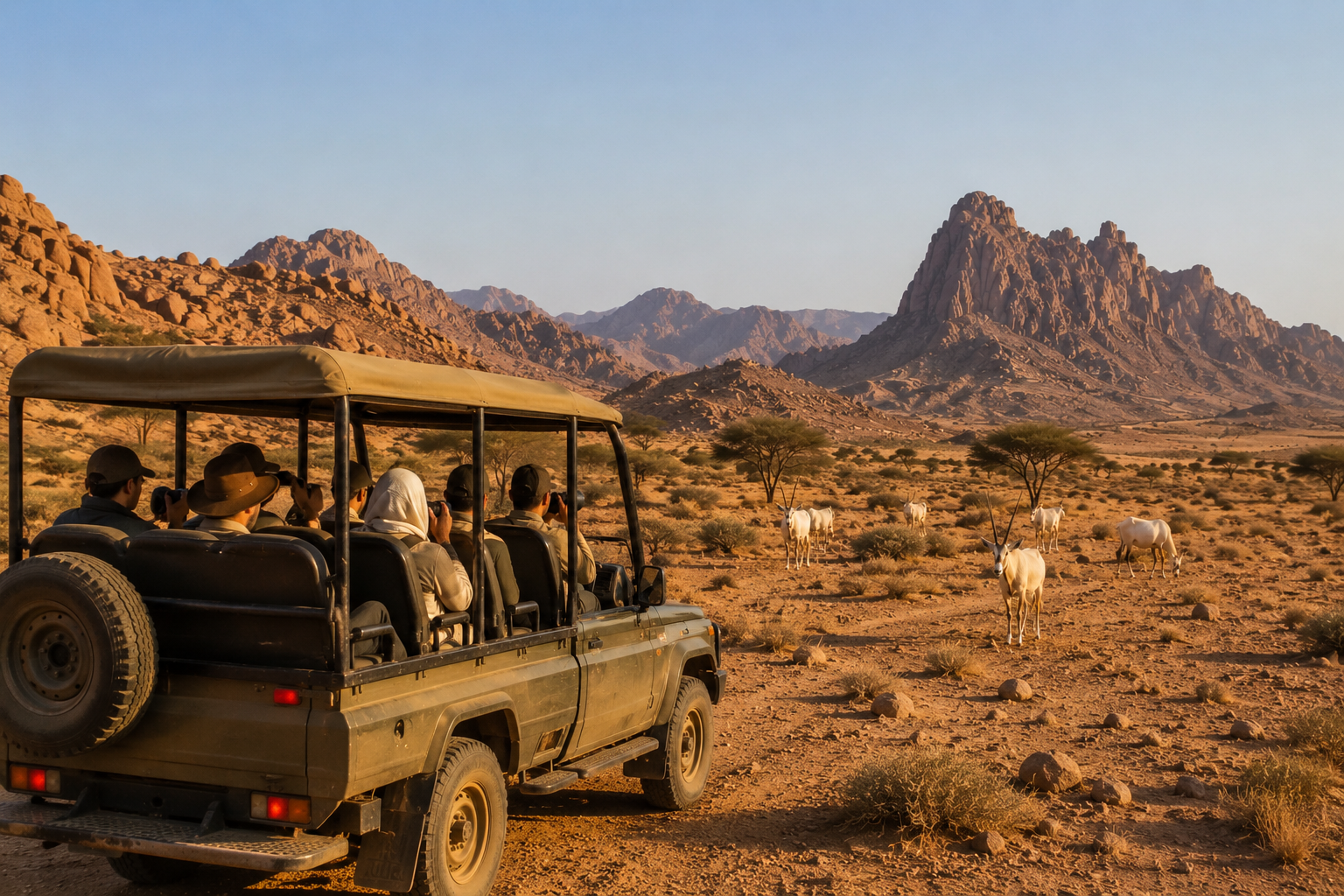
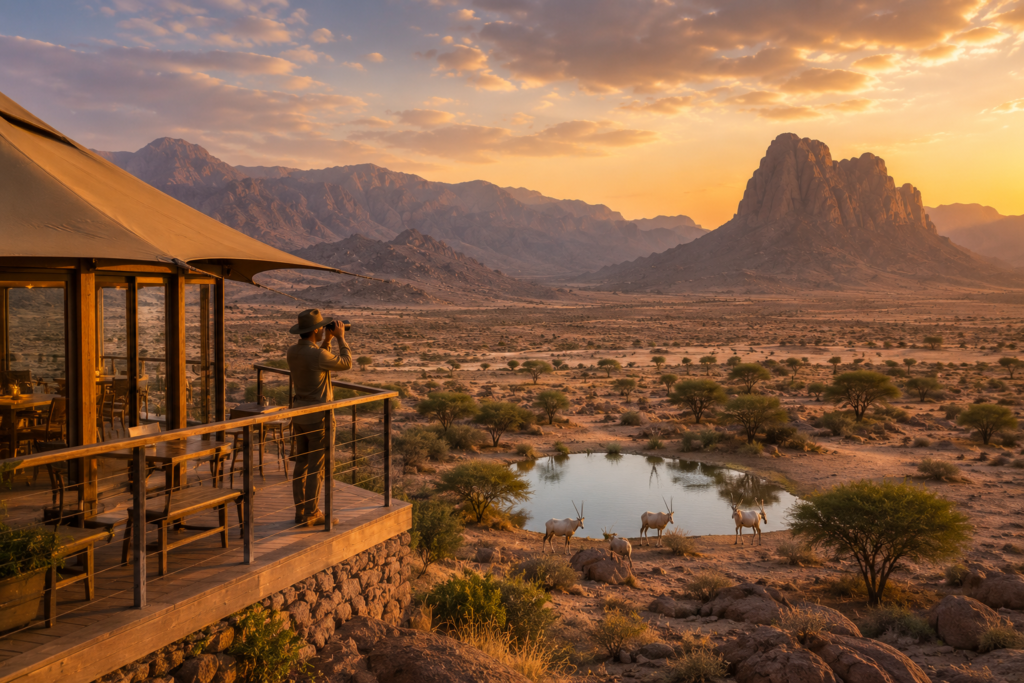
Saudi Arabia is preparing to expand its tourism sector with a new wave of wildlife safari experiences across the Kingdom. The National Center for Wildlife recently announced a series of ecotourism projects that aim to combine conservation, outdoor adventure, and sustainable travel in some of the country’s most protected natural areas.
The projects include new safari destinations in Taif and Thadiq, along with birdwatching zones inside several reserves and national parks. Officials say the goal is to introduce visitors to Saudi Arabia’s wildlife ecosystems while supporting environmental protection and biodiversity programs.
For years, Saudi Arabia’s tourism image was largely connected to deserts, heritage sites, and religious travel. Wildlife tourism remained limited to private resorts and smaller conservation projects. That is now changing as the Kingdom pushes deeper into nature based tourism under Vision 2030. The latest safari developments suggest Saudi Arabia wants to position itself as a regional destination for wildlife experiences similar to those found in parts of Africa and Asia, but adapted to the Arabian landscape.
The new safari experiences are expected to highlight native species including Arabian oryx, gazelles, Nubian ibex, migratory birds, and desert predators that inhabit the country’s protected reserves. Areas like Al-Tubayq Reserve in the northwest and Raydah Reserve in the southwest already host diverse wildlife populations across mountains, valleys, and desert terrain.
One of the strongest focuses of the initiative is birdwatching tourism. The Farasan Islands Reserve and other protected coastal zones are being developed as major destinations for migratory bird observation. Saudi Arabia sits along important migration routes connecting Africa, Asia, and Europe, making it an attractive location for seasonal birdwatching experiences.
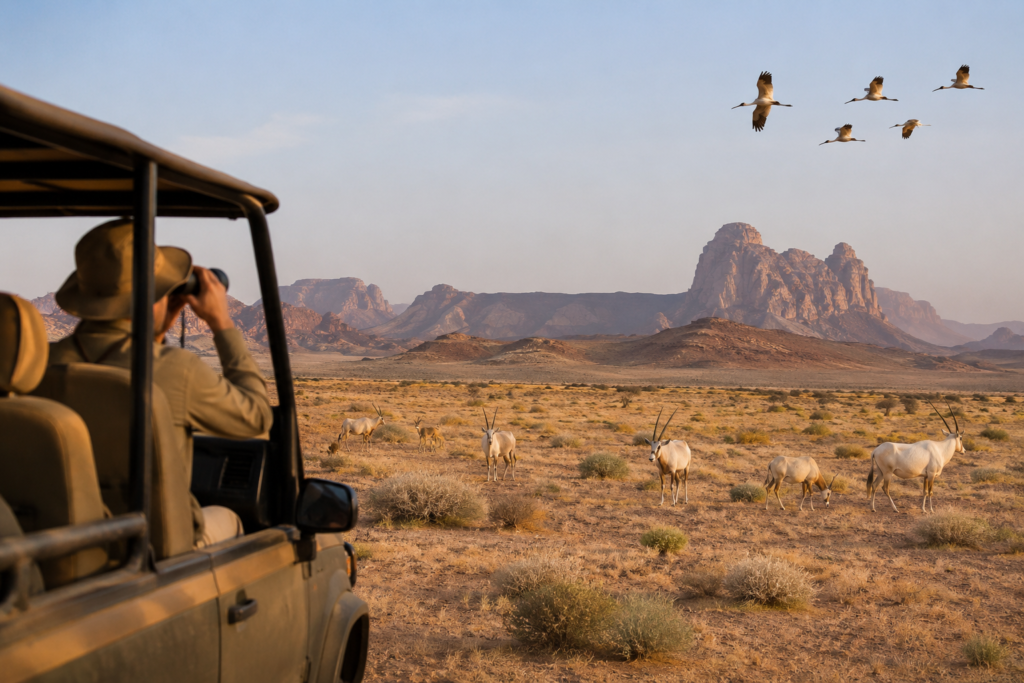
The announcement also reflects a broader shift in how Saudi Arabia is presenting its natural environment to international travelers. Instead of focusing only on luxury megaprojects and entertainment zones, authorities are increasingly promoting landscapes, conservation areas, and outdoor exploration. Wildlife safaris are becoming part of that strategy.
Existing destinations such as Nofa Wildlife Park near Riyadh have already shown growing public interest in safari style tourism. The park offers open vehicle safari tours through large wildlife zones where animals roam freely across protected landscapes.
Tour operators are also expanding desert safari activities around Riyadh, AlUla, and Jeddah, combining wildlife observation with hiking, camping, stargazing, and cultural experiences.
While many of the newly announced projects are still under development, the direction is clear. Saudi Arabia is building a tourism identity that stretches beyond cities and giga projects into reserves, mountains, islands, and remote desert habitats. Wildlife tourism is becoming another major piece of the Kingdom’s rapidly changing travel industry.