
Saudi Arabia’s decision to designate 2026 as the Year of Artificial Intelligence is already translating into tangible outcomes across sectors. In healthcare, one of the most sensitive and complex fields, that shift has taken a significant step forward.
Bnoon Network of Fertility and Women’s Health Centers has announced the birth of the first baby in the Kingdom following the use of an AI-enabled sperm selection system during IVF treatment. The milestone places Saudi Arabia among a small but growing group of countries integrating advanced artificial intelligence into assisted reproductive technology.
While AI has been widely discussed in diagnostics and imaging, its application inside IVF laboratories introduces a different level of precision. It moves decision-making from visual judgment alone to data-supported analysis, offering a new layer of consistency in one of medicine’s most delicate processes.
For couples navigating infertility, where outcomes are often uncertain and emotionally demanding, even incremental improvements can be life-changing. This development suggests that those improvements may now come from algorithms working alongside embryologists.
At the center of this development is an AI-based system known as Vitruvian MD, now deployed within Bnoon’s IVF laboratories. The technology is designed to assist embryologists during sperm selection, a critical step in procedures such as ICSI.
Traditionally, sperm selection relies heavily on visual assessment. Specialists examine motility and morphology under a microscope to identify the most viable candidates. While effective, this approach depends on human interpretation, which can vary.
The AI system introduces a deeper level of analysis. It evaluates sperm based on multiple parameters, including movement patterns, structural characteristics, and DNA fragmentation. These factors are closely linked to fertilization potential and embryo development.
By processing large datasets and identifying patterns beyond human perception, the system aims to reduce variability and improve selection accuracy. This becomes particularly relevant in complex cases of male-factor infertility, including low sperm count, poor motility, or high DNA fragmentation.
Early clinical observations from Bnoon indicate improved fertilization rates in selected cases involving poor sperm quality. Over a twelve-month period, data from more than 50 couples showed encouraging outcomes when compared with conventional methods.
The result is not a replacement for embryologists, but an enhancement of their decision-making process. The laboratory becomes a space where clinical expertise and computational precision operate together.

A First Birth and What It Represents
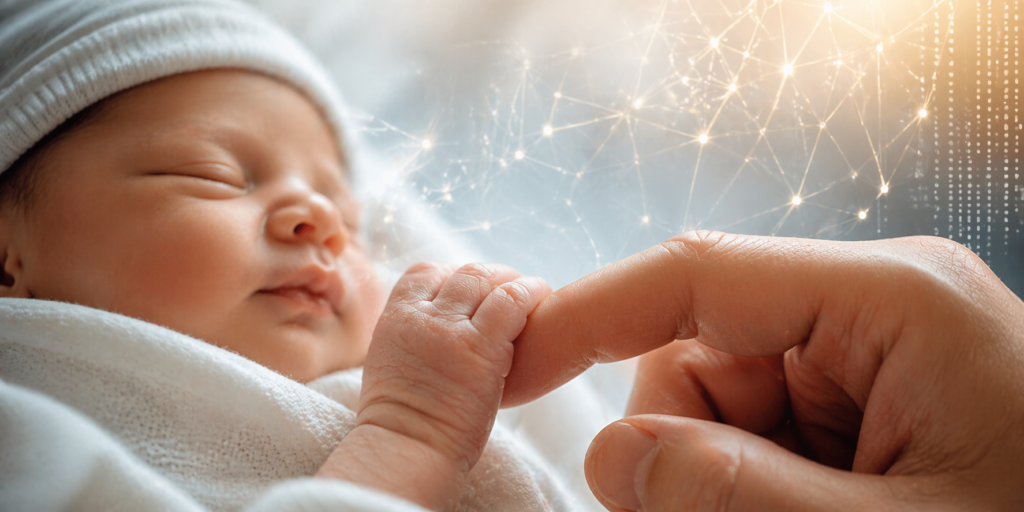
Behind the technology lies a personal story. The first successful birth achieved through this AI-assisted process involved a couple facing male-factor infertility linked to high DNA fragmentation.
For them, the use of AI in sperm selection was not a technical upgrade but a turning point. It led to a successful pregnancy and the birth of their first child.
Cases like this highlight the potential impact of AI when applied thoughtfully. Infertility treatments often require multiple cycles, each carrying financial, physical, and emotional costs. Improving success rates, even marginally, can reduce the number of attempts needed.
According to Majd Abu Zant, Chief Executive of Global Fertility and Chairman of Bnoon, the integration of AI reflects a broader transition in reproductive medicine. The focus is shifting toward data-driven approaches that aim to improve efficiency and outcomes.
Dr. Abdulaziz Alshahrani, Group Medical Director at Bnoon, notes that traditional methods remain effective but can benefit from additional analytical depth. The AI system adds a layer that focuses on genetic integrity without compromising sperm viability, making it particularly useful in challenging cases.
The emphasis, however, remains on careful evaluation. Larger and longer-term clinical studies are already underway to understand the full impact of such technologies over time.
Scaling Innovation Across Saudi Arabia
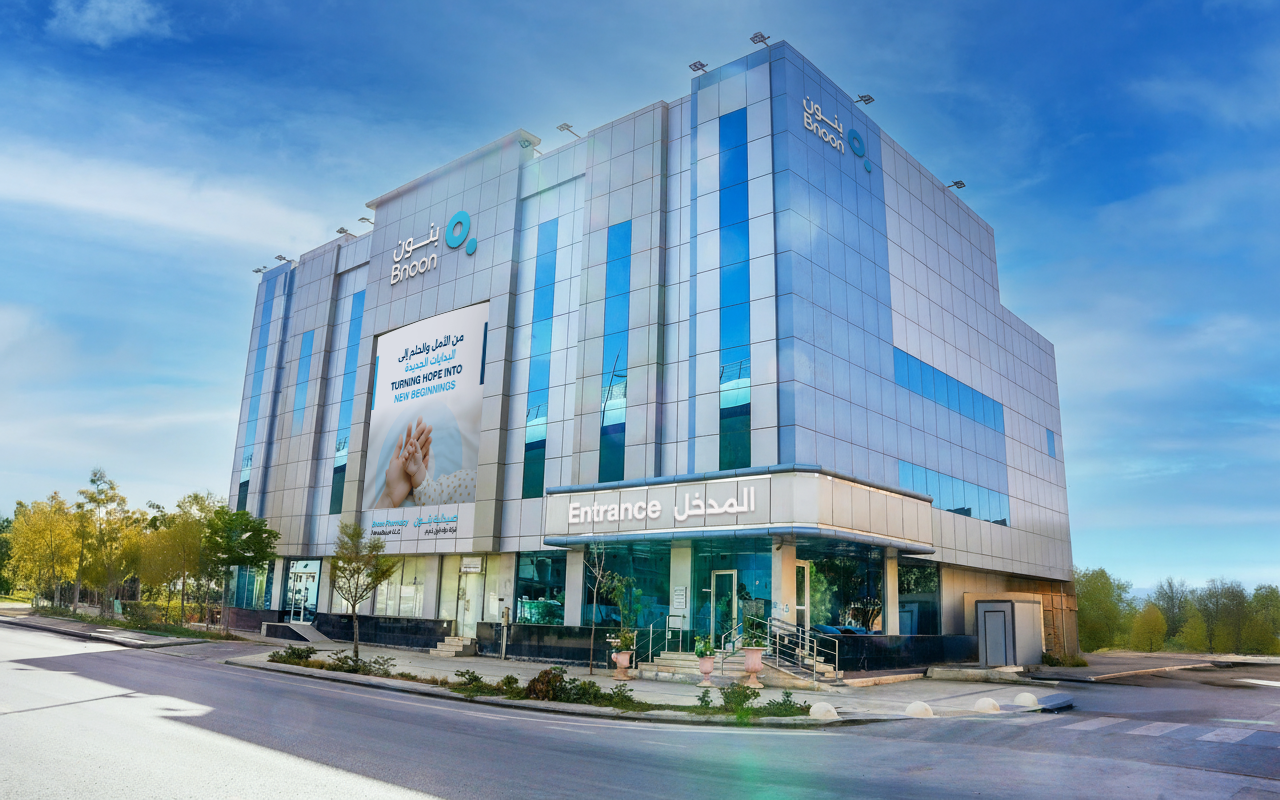
Bnoon’s adoption of AI in IVF is part of a wider expansion strategy. The network currently performs over 5,000 IVF cycles annually and operates centers in Riyadh, Jeddah, and Al Ahsa, with further growth planned in Abha and Madinah.
A new flagship facility in Riyadh, spanning 3,800 square meters, is set to open in the first half of the year. The center is expected to integrate AI, robotics, and genetic testing within a single ecosystem, alongside comprehensive women’s health services.
This level of investment reflects a broader national ambition. Under Vision 2030, Saudi Arabia continues to position itself as a hub for medical innovation, with artificial intelligence playing a central role.
The introduction of AI into fertility care signals more than a technological upgrade. It points to a shift in how reproductive medicine is practiced, where data, automation, and clinical expertise converge to improve outcomes.
For now, the birth announced by Bnoon stands as a single milestone. But it also serves as an early indicator of where the field is heading. As research expands and adoption grows, AI-assisted fertility treatments may move from isolated success stories to standard clinical practice.
In that context, Saudi Arabia’s Year of Artificial Intelligence is not just a theme. It is beginning to shape real-world outcomes, one life at a time.