

A Machine That Signals What Comes Next
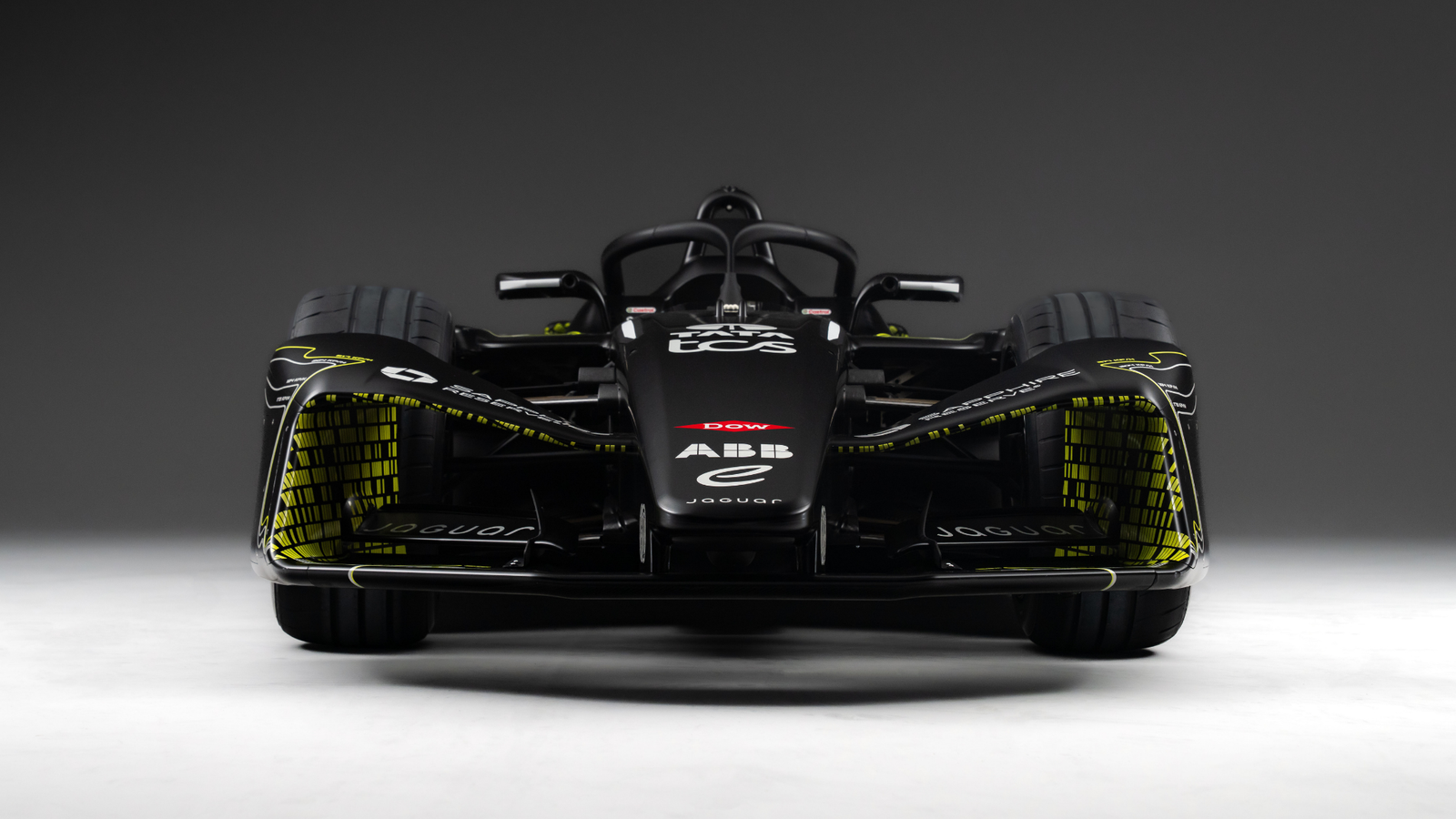
In motorsport, new cars are often described as evolutions. The Jaguar GEN4 proto_TYPE does not fit that description. It feels closer to a reset.
Revealed by Jaguar TCS Racing ahead of its first public dynamic outing, the GEN4 development car arrives at a moment when electric racing is no longer about proving viability. That argument is over. What remains is performance, efficiency and the transfer of learning to the road.
The car’s first appearance is not on a race grid but at a controlled test environment during Formula E’s GEN4 Unleashed event at Circuit Paul Ricard. Even in this early phase, the message is clear. The next generation of Formula E will not be incremental. It will be fast, technically complex and closer than ever to production relevance.
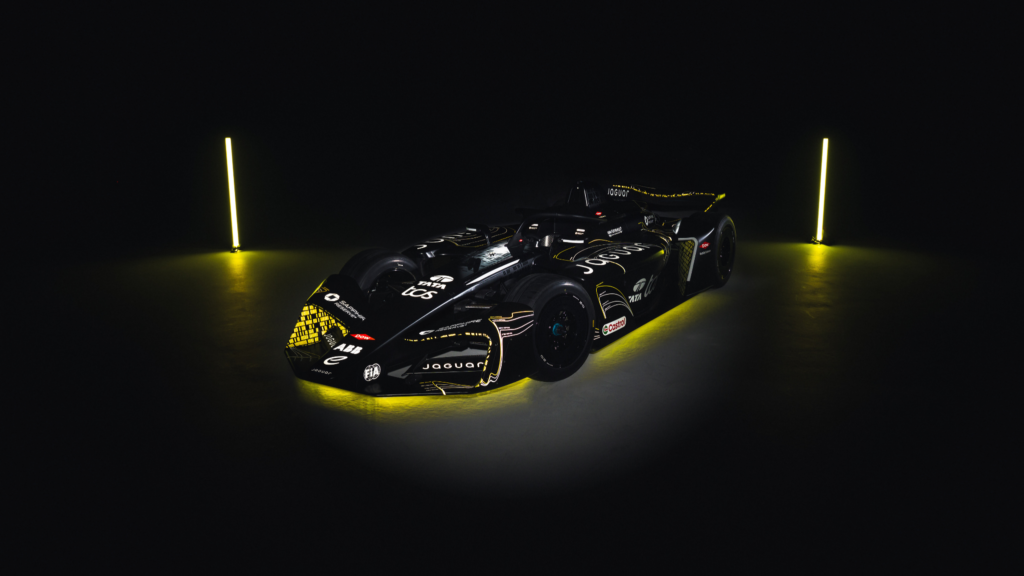
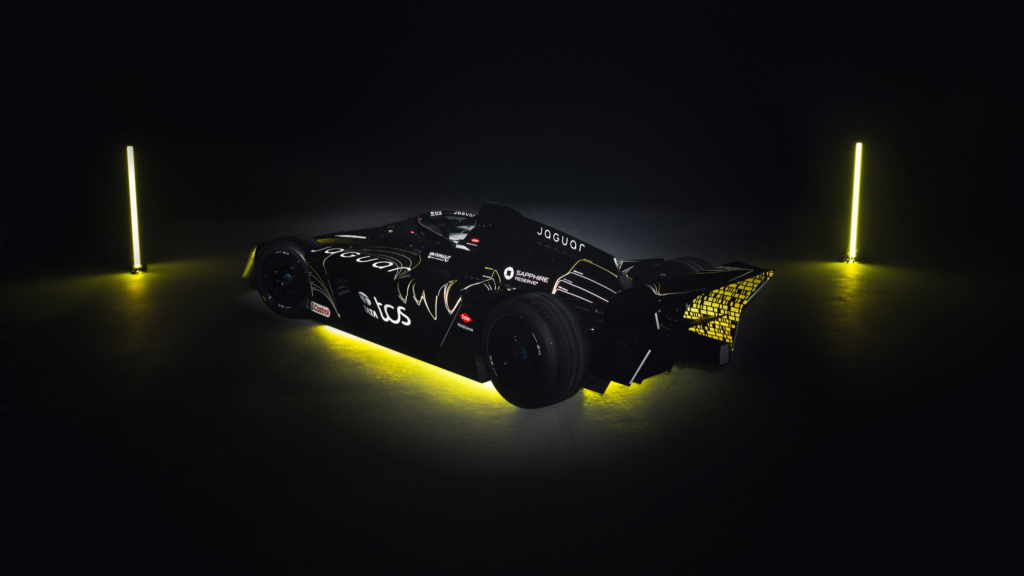
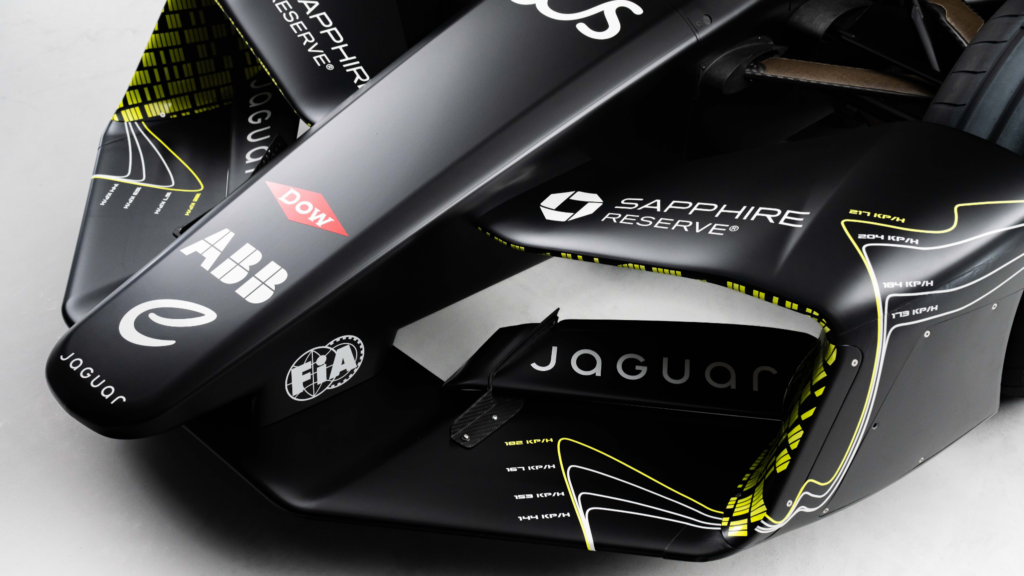
The livery itself tells a story. Instead of sponsor-heavy graphics, the bodywork carries simulated speed traces mapped around Monaco Circuit. It is a visual record of progression. GEN1 through GEN4, layered in lines that show how far electric racing has come in less than a decade.
For a team that has been part of Formula E since 2016, this reveal is less about aesthetics and more about continuity. Jaguar is one of the few manufacturers to commit across every generation of the championship. The GEN4 car becomes both a milestone and a bridge.
Performance defines perception. GEN4 changes both
The headline figure is power. Peak output rises to 600kW in qualifying and attack modes, with race power stepping up significantly from the current generation. This is not a marginal increase. It reshapes how these cars behave under acceleration and how drivers manage energy across a race.
Top speed projections offer a more tangible comparison. Simulation data suggests the GEN4 car could reach around 277 km/h exiting Monaco’s tunnel section. That is over 30 km/h faster than the current GEN3 Evo car and nearly 80 km/h quicker than the original GEN1 machines.
GEN4 introduces permanent active all wheel drive during all phases of running. This shifts traction, stability and corner exit dynamics in ways that Formula E has not seen before. Combined with enhanced regenerative braking of up to 700kW, the car becomes a system that constantly balances energy recovery and deployment.
There is also a deeper layer of engineering control. Manufacturers now have greater scope over components such as the motor, inverter, gearbox and software systems. The expansion of this development perimeter is significant. It moves Formula E further away from a spec series and closer to a true technology battleground.
The result is a car that demands more from engineers as much as from drivers.
Racing as a Development Lab
Jaguar’s approach to Formula E has always been framed around a simple idea. Race to innovate.
That philosophy becomes more relevant in the GEN4 era. The technologies refined in these cars are not isolated experiments. They are part of a larger pipeline that feeds into future electric road vehicles.
Powertrain efficiency, thermal management, software control systems and energy recovery strategies developed under race conditions often find their way into production models. The environment of motorsport accelerates this process. Decisions are made faster. Failures are visible. Improvements are immediate.
For Jaguar, the GEN4 programme expands this opportunity. With more control over hardware and software, the team can push boundaries that directly influence customer vehicles in the coming years.
The partnership with Tata Consultancy Services also plays a role here. Data, simulation and digital infrastructure are as critical as mechanical engineering. Modern race cars generate vast streams of information, and interpreting that data in real time becomes a competitive advantage.
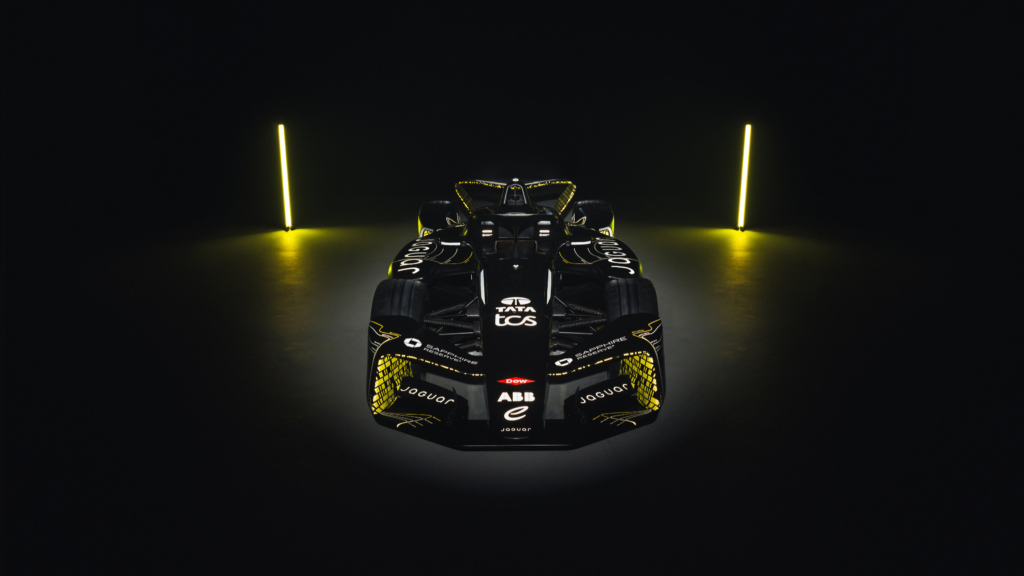
The GEN4 proto_TYPE reflects this shift. It is not just a car built for speed. It is a rolling dataset, constantly feeding insights back into the system.
What This Means for Formula E
Formula E has always positioned itself differently from traditional motorsport. Urban circuits, electric drivetrains and a focus on sustainability set it apart. With GEN4, the championship adds another layer. It becomes faster, more technical and more demanding without losing its core identity.
The calendar continues to feature races in major cities such as Tokyo, Jeddah and Monaco. These locations bring the sport closer to audiences, but they also impose constraints. Tight circuits and variable grip conditions make efficiency and control as important as outright speed.
GEN4 amplifies this challenge. Higher performance on street tracks requires precision. Small mistakes will carry greater consequences.
For Jaguar, the timing aligns with a broader transformation. The brand is moving toward an all electric future, and Formula E remains its most visible test platform. Success on track carries both technical and symbolic weight.
The GEN4 proto_TYPE is not the final product. It is a development car, a preview of what is coming. Yet it already signals a clear direction. Electric racing is entering a phase where performance is no longer a limitation.
It is the main event.